































Taking action on our environmental challenges

At Bonduelle, our business depends directly on the agricultural resources and ecosystems with which we work. This responsibility leads us to take concrete actions with our partner farmers, our industrial sites and our teams in order to evolve our practices.
Discover our commitments and the initiatives deployed around agriculture, climate, water and packaging.
We are evolving our agricultural and industrial practices in order to develop more resilient production methods and to contribute to reducing the greenhouse gas emissions associated with our activities.
In concrete terms, this involves deploying regenerative agriculture with our partner farmers, reducing the use of virgin fossil-based plastic in our packaging, improving the energy efficiency of our industrial sites and developing renewable energy sources. In 2024-2025, nearly 6 out of 10 partner farmers were engaged in a regenerative agriculture approach, 98% of our packaging was designed to be recyclable or reusable, and our Scope 1 and Scope 2 greenhouse gas emissions were 14.2% lower than in 2019-2020.
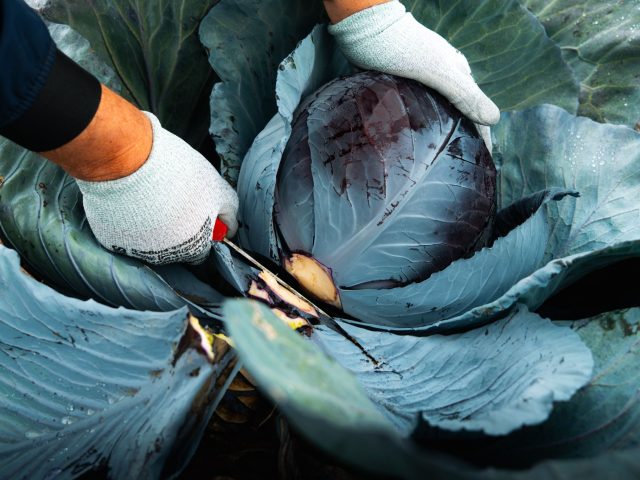
#4 Scale up regenerative agriculture & preserve biodiversity
80% of farming partners engaged in regenerative agriculture by 2030
100% of cultivated area using pollinator protection plan by 2030
.
#5 Foster the circular economy
0% virgin fossil plastics used in our packaging by 2030 (-100% vs FY20 by volume)
100% of our packaging is designed to be recyclable every year.
.
#6 Contribute to carbon neutrality
38% reduction in Scopes 1 & 2 GHG emissions by 2035 (vs FY20 in absolute terms)
30% reduction in Scope 3 GHG emissions by 2035 (vs FY20 in intensity)
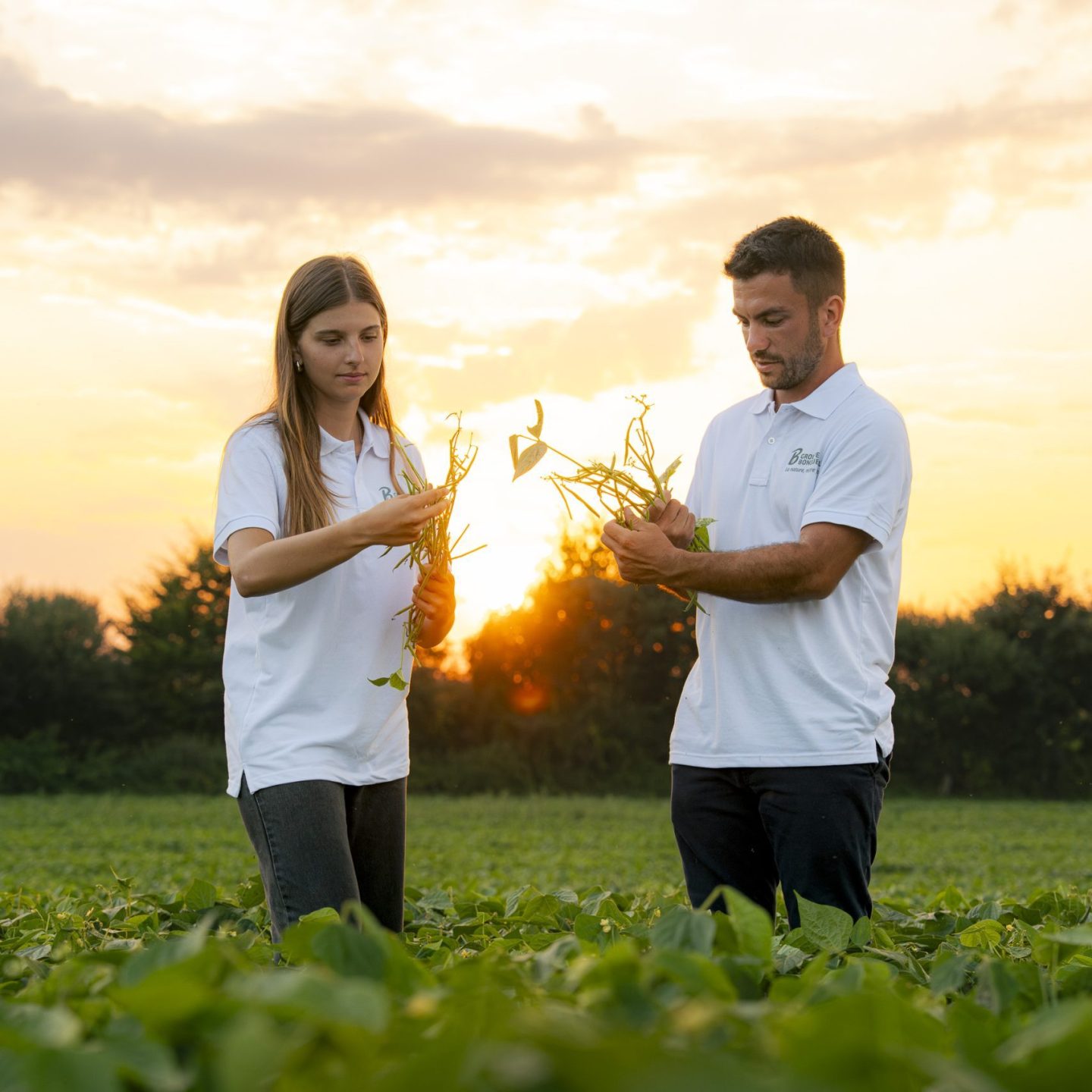

Our commitments for the planet in action
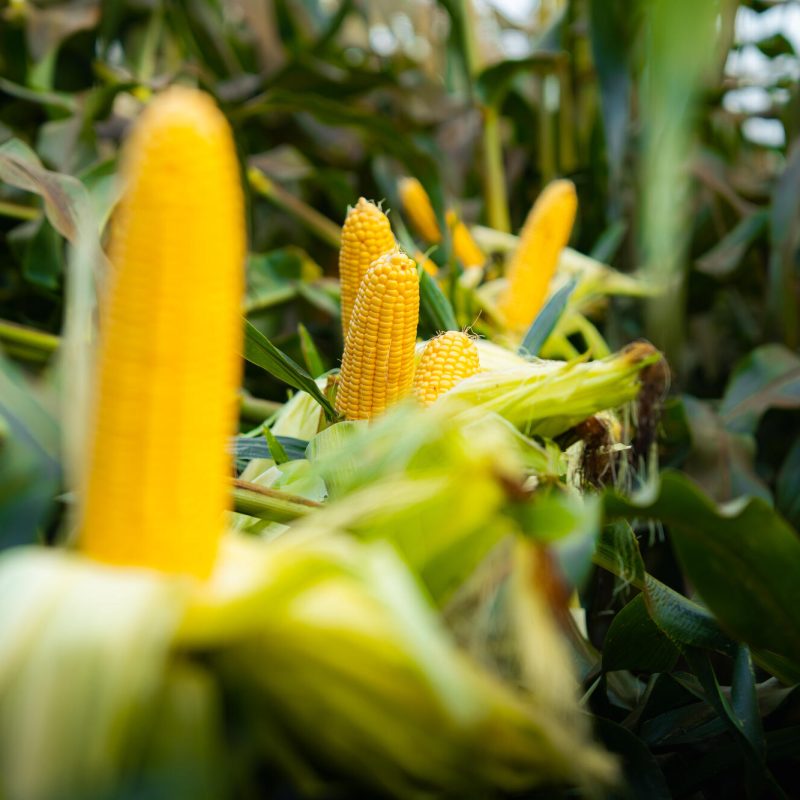
Our partner farmers use crop rotation. They avoid growing the same vegetables on the same plot of land two years in a row to give the soil time to recover. There is a minimum of chemical inputs and the right amount of water.
Whenever possible, we develop natural or mechanical solutions for fighting diseases and pests to avoid using fertilizers and pesticides. These solutions include anti-insect netting and mechanical weeding, among others. The same is true for fertilization, for which crop cover and crop rotation are employed.
We have precisely managed the supply of water using chosen irrigation techniques like drip irrigation and precision nozzles for pivots. New technologies make it possible to save even more by conducting a water balance assessment for each parcel of land.
Our vegetables are only grown and harvested in season. Freezing and canning techniques make it possible to enjoy them all year round. Our fresh lettuce is grown in the north in the summer and in the south in winter to abide by nature’s cycles.
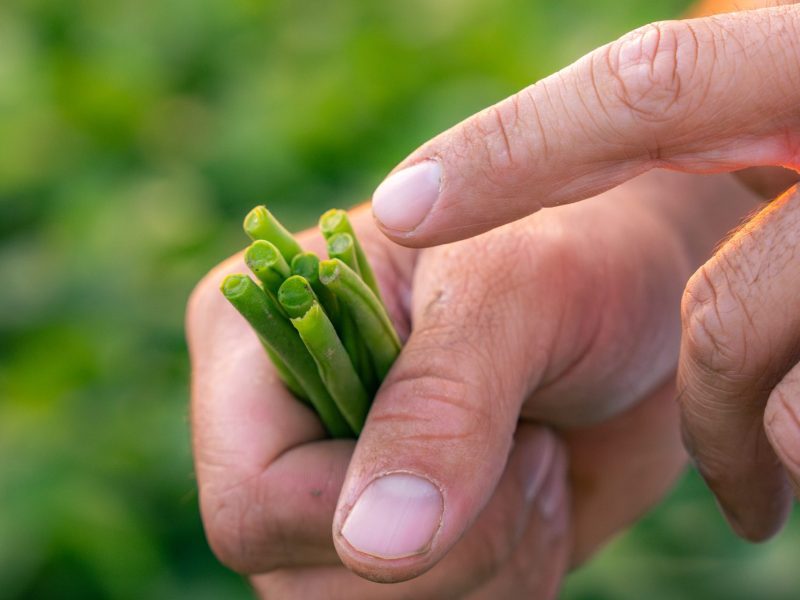
100% of harvested vegetables are used. None of our vegetables are thrown away. For example, a bean that is not the right size can be used in another recipe. Even green bean stalks are used for compost, to feed animals or for methanation to produce energy.
We donate products that cannot be sold but are perfectly consumable to help combat food waste. For example, the plants donate products nearing their expiration dates to local associations.
Our plants are as close as possible to production fields and our customer’s plates to limit transportation as much as we can. This has the double advantage that the vegetables are fresh when they arrive at our plants and the carbon footprint of our activities is limited.
Water consumption in our plants is optimized thanks to daily involvement and investments: stop valves, water meters, reuse, new and more water-efficient machines and team sensitization, etc. In addition, by looking in detail at our energy expenditure we have made the optimal choices: replacing neon lights with LEDs, engine energy recovery systems such as Start and Stop, etc. We are in the midst of an energy transition, with the proportion of energy from renewable sources in the group’s energy mix increasing every year. In Hungry, Portugal and France, we are forming more partnerships and using equipment from our plants to expand the use of renewable energies.